


1. Introduction
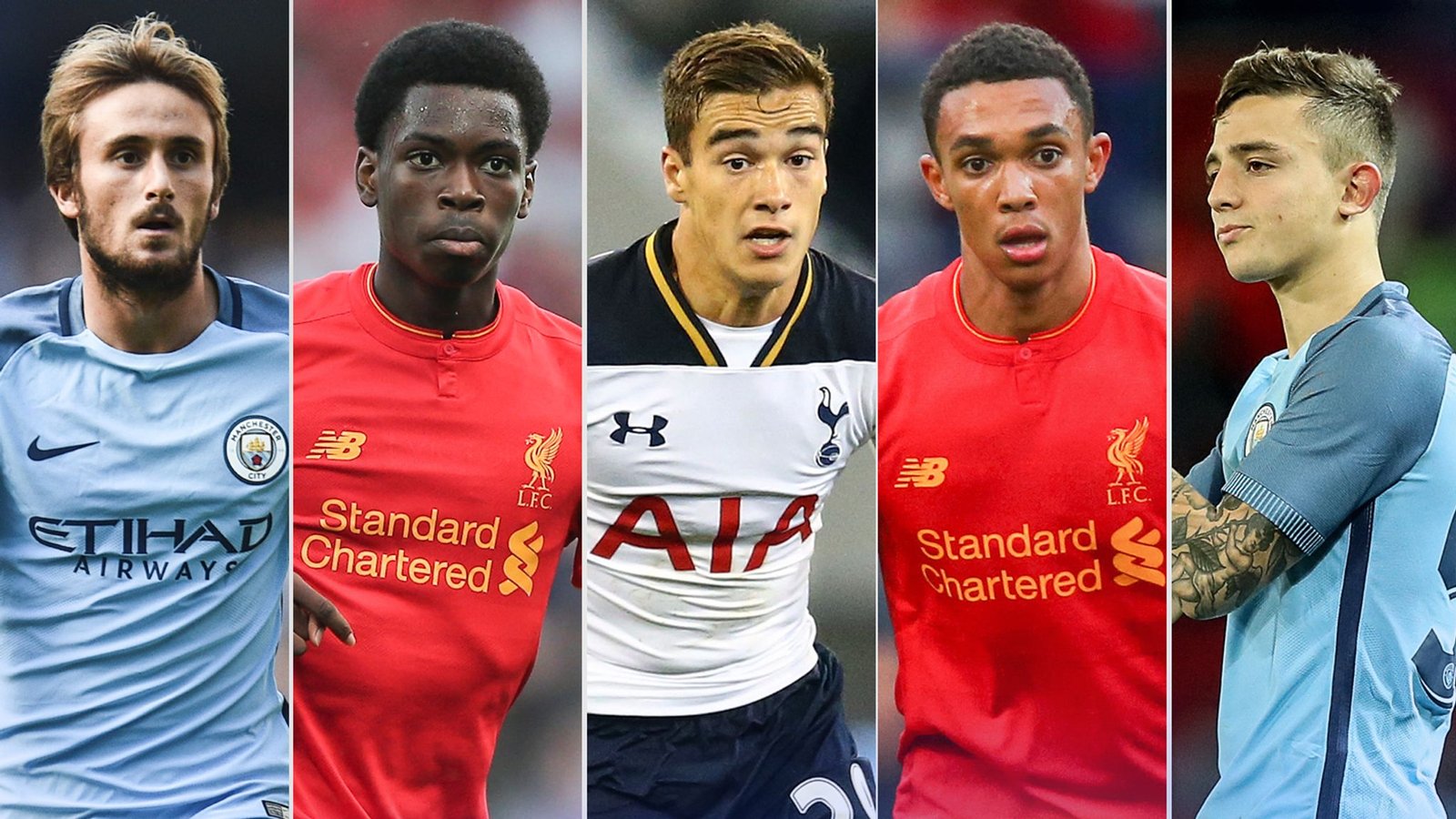
Football is constantly evolving, and every few years, a new generation of young players emerges to redefine the game. As we move closer to 2026, several talented young footballers are already making a strong impact across top global leagues. These players are not just future prospects; many are regular starters for their clubs and national teams, delivering match-winning performances at a very young age.
This topic is highly important in the current sports scenario because football clubs worldwide are increasingly investing in youth development. Fans in India are also showing growing interest in young football stars due to increased access to European leagues through television and digital platforms. With competitions becoming more intense and global scouting at its peak, the rising stars of 2026 represent the future of world football and are worth close attention.
2. Overview of the Event / Players
Football is the sport in focus, and this article highlights young professional players performing at the international and club level. These players are active in top domestic leagues such as the English Premier League, La Liga, Bundesliga, Serie A, and Ligue 1, as well as in international tournaments.
The players involved come from different footballing nations and represent a mix of attacking, midfield, defensive, and goalkeeping roles. The target audience includes Indian football fans, followers of European leagues, youth players aspiring to go professional, and casual viewers interested in emerging global sports stars.
3. Event Details (Global Football Context)
There is no single venue or date for evaluating young footballers, as their performances are spread across:
-
Domestic league matches
-
Continental competitions
-
International fixtures
Most matches are played throughout the football season, which typically runs from August to May, with international windows in between. Weather and pitch conditions vary by country, adding to the challenge for young players adapting to different playing styles and environments. Their ability to perform consistently across these conditions is a key factor in their rise.
4. Player Profiles – The New Generation
The young footballers to watch in 2026 generally share a few key characteristics:
-
Strong technical skills developed at elite academies
-
Tactical awareness at a young age
-
Physical fitness suited to modern football
-
Mental strength to handle pressure
Many of these players started in youth academies of major clubs and progressed rapidly to senior teams. Recent performances show that they are not just squad players but influential contributors. Their playing styles vary from creative playmakers to direct attackers and disciplined defenders, making this generation diverse and exciting.
5. Key Young Footballers to Watch in 2026
Below are some of the top young footballers expected to dominate global leagues in 2026, based on consistent performances and development trends.
Jude Bellingham (England)
Jude Bellingham has already established himself as a complete midfielder. Known for his vision, ball control, and leadership qualities, he plays with maturity beyond his age. His performances in domestic leagues and international matches highlight his ability to influence games in multiple ways.
Jamal Musiala (Germany)
Musiala is recognized for his creativity, close control, and ability to operate between defensive lines. His dribbling and decision-making make him a constant threat in attacking areas.
Pedri (Spain)
Pedri’s intelligence, passing accuracy, and composure stand out. He plays a central role in controlling tempo and linking midfield with attack, making him a key player for both club and country.
Bukayo Saka (England)
Saka’s versatility and consistency have made him one of the most reliable young wingers. His work rate, crossing ability, and goal contributions continue to improve each season.
Eduardo Camavinga (France)
Camavinga offers energy and balance in midfield. His defensive awareness combined with forward movement makes him valuable in high-intensity matches.
Gavi (Spain)
Gavi is known for his aggressive pressing and technical skill. His fearless playing style and tactical discipline make him effective in both attacking and defensive phases.
Florian Wirtz (Germany)
Wirtz is a creative midfielder with excellent passing range and movement. His ability to read the game and create scoring chances places him among the top young talents.
Rodrygo (Brazil)
Rodrygo’s pace, finishing, and calmness in big moments make him a dangerous attacker. He has already shown his ability to perform in high-pressure matches.
Khvicha Kvaratskhelia (Georgia)
Kvaratskhelia’s dribbling ability and attacking flair have caught global attention. His direct style and creativity make him exciting to watch.
Alejandro Garnacho (Argentina)
Garnacho’s speed, confidence, and attacking intent make him a promising winger. His willingness to take on defenders adds energy to any attack.
6. Strategy, Tactics & Performance Analysis
Modern football demands tactical intelligence from young players. These rising stars are trained to adapt to different systems, including possession-based play, counter-attacking setups, and high-press strategies.
Attacking players focus on movement, pressing, and quick transitions, while midfielders are expected to control tempo and provide defensive support. Defenders must be comfortable playing from the back, and goalkeepers are now involved in build-up play.
Strengths such as versatility and stamina give young players an edge, while weaknesses like inconsistency or physical development are areas of improvement. Coaches emphasize discipline, positional awareness, and decision-making to maximize long-term potential.
7. Head-to-Head Record & Past Performance (Contextual)
While head-to-head records usually apply to teams, young players often build rivalries through club and international competitions. Performances against top opponents help define their reputation.
Memorable moments include goals in high-stakes matches, assists in key fixtures, and standout performances in continental tournaments. Playing well at iconic stadiums or against elite teams often boosts confidence and global recognition.
8. Current Form & Recent Results
Most of these young footballers have shown consistent form over recent seasons. Regular starts, goal contributions, and positive match ratings indicate steady development.
Injuries remain a concern for young players adjusting to demanding schedules, but clubs increasingly focus on fitness management. Squad depth allows rotation, helping young talents maintain performance levels throughout long seasons.
Momentum plays a major role, and players who adapt quickly to tactical demands tend to sustain form.
9. Comparison with Rivals
Comparing young footballers highlights differences in playing style, league exposure, and development paths. Some players excel in physically demanding leagues, while others thrive in technical environments.
The edge often comes from consistency, adaptability, and mental resilience. While some players may have stronger attacking numbers, others offer tactical balance and team contribution. A neutral comparison shows that no single player dominates all aspects, making the competition healthy and exciting.
10. Expected Impact in 2026 (Neutral Outlook)
By 2026, many of these players are expected to take on leadership roles for their clubs and national teams. Possible scenarios include:
-
Becoming regular starters in major tournaments
-
Influencing title races and knockout matches
-
Gaining recognition through awards and nominations
Factors deciding their impact include fitness, coaching support, and tactical fit. Rather than guaranteed success, steady development and adaptability will shape their careers.
11. Pros & Cons of Young Football Stars
Pros
-
High energy and athleticism
-
Long-term development potential
-
Adaptability to modern tactics
-
Strong connection with younger fans
Cons
-
Pressure and expectations
-
Risk of burnout
-
Inconsistency at early stages
-
Media scrutiny
12. Broadcast, Streaming & Availability in India
Indian fans can watch these young footballers through international sports TV channels and official digital streaming platforms covering European and international competitions. Matches are often available in English and regional languages.
Live streaming, highlights, and analysis shows make it easier for Indian viewers to follow emerging stars across leagues and tournaments.
13. FAQs
Q1. Why are young footballers gaining importance in modern football?
They offer energy, adaptability, and long-term value to clubs.
Q2. Are these players regular starters for their teams?
Many are already regular starters or key rotation players.
Q3. Which leagues are best for young player development?
Leagues with strong youth systems and competitive balance support development.
Q4. Can these players perform in international tournaments?
Yes, several have already delivered strong international performances.
Q5. How can Indian fans follow young footballers closely?
By watching league matches, highlights, and international fixtures.
Q6. Will new players emerge before 2026?
Yes, football continuously produces new talents.
14. Final Verdict
The top young footballers to watch in 2026 represent the future of global football. Their skill, discipline, and confidence show how the game is evolving toward faster, more tactical, and more inclusive competition. These rising stars are already influencing results at the highest level, and their journeys are only beginning.
For Indian football fans, following these players offers insight into modern football trends and inspiration for aspiring athletes. As global leagues grow in popularity, the impact of young footballers will continue to shape the sport, making 2026 an exciting milestone for football’s next generation.
