

Introduction
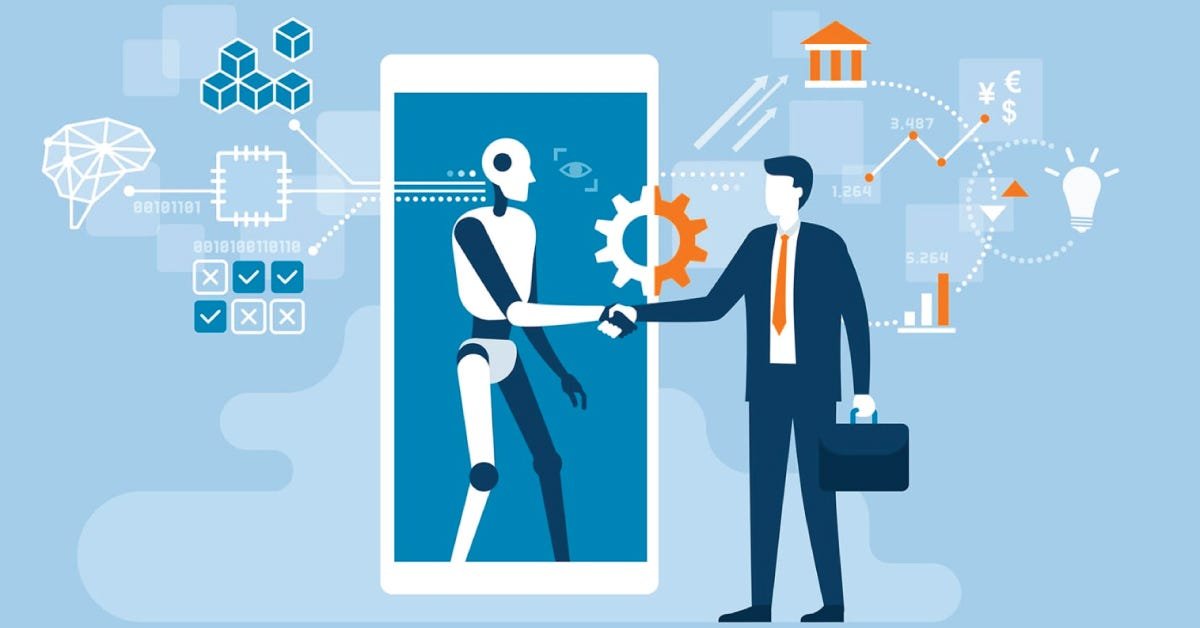
Artificial Intelligence (AI) is no longer a futuristic concept—it is now a driving force behind business innovation. Among the latest trends, AI agents are gaining rapid adoption across industries worldwide. These autonomous systems can perform tasks, make decisions, and interact with humans or other software systems with minimal human intervention.
The surge in AI agent usage is especially relevant in India, where companies are increasingly leveraging AI to enhance productivity, streamline operations, and improve customer experiences. With the global AI market projected to grow exponentially in 2026, understanding AI agents has become essential for businesses, entrepreneurs, and IT professionals.
Overview of AI Agents
Type of Technology
AI agents are autonomous software systems capable of perceiving their environment, processing data, and acting to achieve specific goals. They range from simple rule-based bots to complex multi-agent systems using machine learning and natural language processing.
Levels of Implementation
-
Enterprise: Automating customer support, sales, and analytics
-
SMBs: Streamlining repetitive tasks, marketing automation
-
Startups & Tech: Rapid prototyping of intelligent applications
Target Audience
-
Business leaders exploring AI adoption
-
IT professionals and developers implementing AI solutions
-
Entrepreneurs seeking automation and efficiency
-
Indian businesses aiming for digital transformation
Event Details / Market Context
Industry Adoption
AI agents are being adopted across multiple sectors:
-
Banking & Finance: Fraud detection, customer service chatbots
-
Retail & E-commerce: Personalized recommendations, inventory management
-
Healthcare: Virtual assistants, patient monitoring
-
Manufacturing: Predictive maintenance, process automation
Market Growth
-
Global AI agent market expected to surpass $25 billion in 2026
-
Indian enterprises adopting AI solutions at an annual growth rate of 35–40%
Implementation Formats
-
Cloud-based AI agents
-
On-premise deployment for sensitive data environments
-
Hybrid models for flexibility and scalability
AI Agent Profiles
Key AI Platforms
-
Google Gemini AI Agents: Integrated with Google Cloud, designed for enterprise automation and multi-modal AI tasks.
-
OpenAI GPT Agents: Flexible agents capable of generating content, code, and performing decision-making tasks.
-
Microsoft Copilot Agents: Embedded in Microsoft 365 tools for productivity and workflow automation.
Capabilities
-
Task automation
-
Decision support
-
Predictive analytics
-
Natural language understanding
-
Multi-agent collaboration
Key Agents to Watch
| Platform | Strengths | Ideal Use Case |
|---|---|---|
| Google Gemini Agents | Multi-modal AI, cloud integration | Enterprise automation, knowledge management |
| OpenAI GPT Agents | Creativity, coding, reasoning | Content generation, R&D, support bots |
| Microsoft Copilot Agents | Workflow automation, Office integration | Productivity, documentation, email management |
| IBM Watson AI Agents | Data analysis, domain-specific AI | Healthcare, finance analytics |
Emerging Indian AI agent startups are also gaining traction, offering localized solutions tailored to Indian languages and industries.
Strategy, Tactics & Performance Analysis
-
Enterprise Strategy: Deploy AI agents to automate repetitive tasks, reduce human error, and improve decision-making speed.
-
Strengths: 24/7 availability, scalability, consistency, predictive capabilities
-
Weaknesses: Initial implementation cost, integration challenges, data privacy concerns
-
Performance Metrics: Efficiency gains, response time reduction, ROI on AI deployment
Head-to-Head & Industry Trends
-
AI agents have quickly overtaken traditional automation tools due to intelligence and adaptability.
-
Businesses using AI agents report 20–30% higher operational efficiency.
-
Memorable milestones include AI agents managing entire customer support systems autonomously and coordinating multi-step business processes.
Current Adoption & Recent Results
-
Companies like Infosys, TCS, and Reliance are integrating AI agents into internal workflows.
-
Startups deploy AI agents for chat support, content moderation, and lead generation.
-
Consistency and ROI have been key drivers for widespread adoption.
Comparison with Traditional Tools
| Aspect | AI Agents | Traditional Automation Tools | Edge |
|---|---|---|---|
| Flexibility | High | Low | AI Agents |
| Learning Capabilities | Adaptive via AI/ML | Fixed rules | AI Agents |
| Human Interaction | Natural language support | Limited or none | AI Agents |
| Multi-task Handling | Multi-agent coordination | Single-task automation | AI Agents |
| Integration | Cloud & API ready | Platform-specific | Depends |
-
AI agents outperform traditional automation tools by adapting to changing business conditions and handling multi-step decision processes.
10. Expected Outcomes & Scenarios
-
Small Businesses: AI agents can handle customer queries, schedule appointments, and manage inventory with minimal staff.
-
Large Enterprises: Automate knowledge management, decision support, and inter-department workflows.
-
Potential Risks: Data breaches, misaligned automation, over-reliance without human oversight.
Factors influencing success include data quality, integration with existing systems, and ongoing training of AI agents.
Pros & Cons
Pros
-
Increased operational efficiency
-
Reduced human error
-
Cost savings over time
-
Scalability across departments
-
Enhanced decision-making with predictive insights
Cons
-
High initial deployment costs
-
Requires skilled personnel for integration
-
Potential ethical and privacy issues
-
Dependence on quality of training data
Availability & Access in India
-
Platforms: Cloud-based and enterprise-grade AI agents are widely available.
-
Language Options: Many agents support Hindi and regional languages for India-specific applications.
-
Deployment: SaaS, on-premise, or hybrid models based on business needs.
-
Integration: Connects with ERP, CRM, and productivity tools, making it accessible for both small and large enterprises.
FAQs
Q1. What is an AI agent?
An AI agent is an autonomous system that performs tasks, interacts with users, and makes decisions based on data inputs.
Q2. Why are businesses adopting AI agents rapidly?
They enhance productivity, reduce errors, and provide predictive insights, offering a strong ROI.
Q3. Can AI agents replace human employees?
They can automate routine tasks but are best used in collaboration with humans for critical decisions.
Q4. Are AI agents available for small businesses in India?
Yes, cloud-based agents offer affordable options suitable for SMBs.
Q5. What industries benefit most from AI agents?
Finance, healthcare, retail, manufacturing, and IT are early adopters seeing significant benefits.
Q6. How secure are AI agents?
Security depends on provider protocols, data encryption, and compliance with privacy regulations.
Final Verdict
AI agents are transforming the business landscape in 2026. They enable automation, scalability, and intelligent decision-making, making them invaluable across industries. For Indian companies, adopting AI agents means staying competitive, enhancing operational efficiency, and tapping into global technological advancements.
Businesses looking to improve workflow, reduce costs, and innovate rapidly should explore AI agents as a strategic investment. As AI agents continue evolving, their role in shaping future enterprises will only grow stronger, making 2026 a pivotal year for AI-driven business transformation.
