


1. Introduction
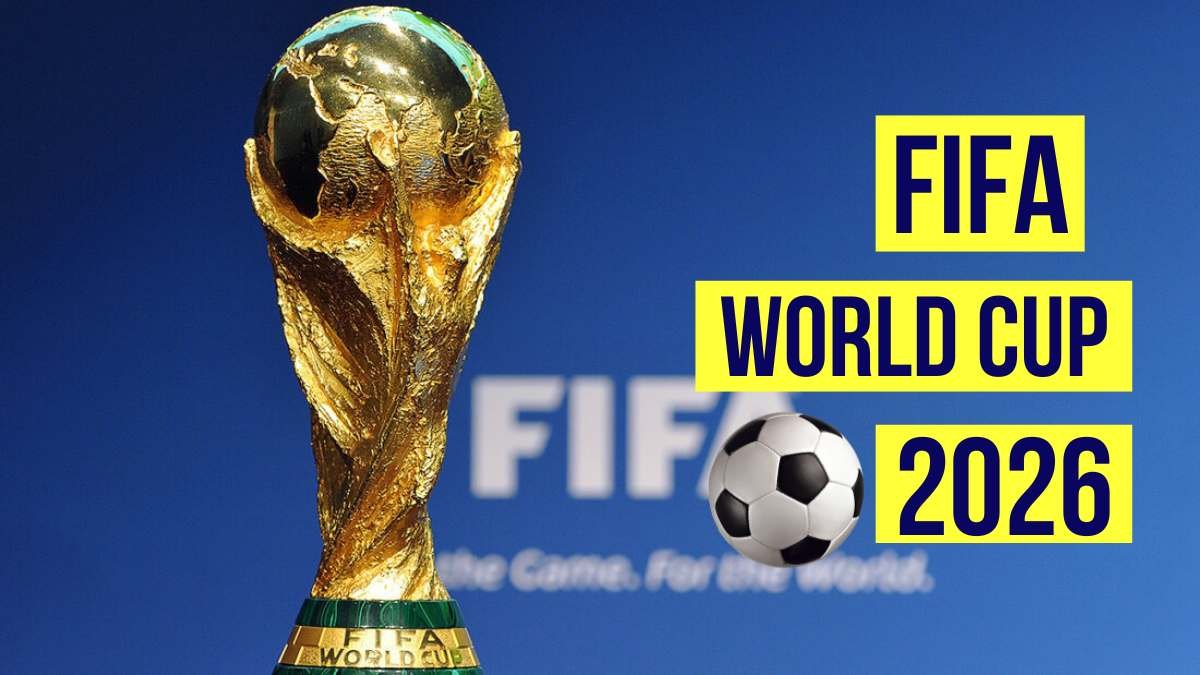
The FIFA World Cup 2026 is set to be one of the biggest sporting events in history, bringing together football fans from across the globe. Scheduled to take place in 2026, this edition of the World Cup is special for several reasons, including an expanded tournament format and hosting across multiple countries. As football continues to grow rapidly in popularity, especially in emerging markets like India, the FIFA World Cup 2026 has already started generating massive excitement.
This tournament is important in the current global sports scenario because it marks a major evolution in international football. With more teams participating and more matches being played, the World Cup aims to offer greater inclusivity and global representation. For Indian fans, who closely follow international football leagues and tournaments, the 2026 World Cup represents an opportunity to witness diverse teams, rising stars, and top footballing nations competing on the biggest stage. The growing fan base, increased digital access, and strong competition make this event highly relevant in India.
2. Overview of the Event
The FIFA World Cup 2026 is an international football tournament organized by FIFA, the global governing body of football. It will be played at the highest level, featuring national teams from different continents competing for the most prestigious trophy in the sport.
Unlike previous editions, the 2026 World Cup will feature 48 national teams, an increase from the traditional 32-team format. Teams from Europe, South America, Asia, Africa, North America, and Oceania will participate. The target audience includes global football fans, Indian supporters who follow international football closely, youth players aspiring to professional careers, and casual sports viewers drawn by the scale of the event.
3. Match / Event Details
The FIFA World Cup 2026 will be jointly hosted by three countries: the United States, Canada, and Mexico. This marks the first time the tournament will be hosted by three nations simultaneously, allowing matches to be played across a wide range of cities and stadiums.
The tournament is expected to be held during the June–July 2026 period, aligning with the traditional World Cup calendar. Matches will be scheduled across different time zones, with many games accessible to Indian viewers during evening or late-night hours in Indian Standard Time (IST).
The format will follow a group stage followed by knockout rounds, with an increased number of matches due to the expanded team count. Weather conditions will vary depending on host city, with some venues offering warm summer climates and others cooler conditions. Pitch quality is expected to be of international standard across all stadiums.
4. Team Profiles and Tournament Background
The FIFA World Cup has a rich history dating back to 1930, and the 2026 edition continues this legacy while introducing modern changes. Traditional football powerhouses such as Brazil, Germany, Argentina, France, and Italy remain central to the tournament’s identity, while newer teams aim to make an impact.
Recent performances in continental tournaments and qualifiers have highlighted the increasing competitiveness of teams from Asia, Africa, and North America. Captains and star players from leading nations will once again play crucial roles, providing leadership and experience in high-pressure matches. The tournament also serves as a platform for young talents to gain global recognition.
5. Key Teams and Players to Watch
The FIFA World Cup 2026 will feature a wide range of teams and players to watch:
-
Established football nations with strong tournament records
-
Defending champions and recent finalists
-
Emerging teams from Asia and Africa showing steady improvement
Star players from top leagues are expected to lead their national sides, while younger players may use the tournament to announce themselves on the world stage. Goal scorers, creative midfielders, solid defenders, and reliable goalkeepers will all play important roles. These players’ recent performances in club football and international matches will shape expectations without unrealistic hype.
6. Strategy, Tactics & Performance Analysis
With 48 teams involved, tactical preparation will be more important than ever. Teams are expected to balance defensive organization with attacking creativity, especially during the group stage where goal difference can be decisive.
European teams often focus on structured play and pressing systems, while South American sides emphasize flair and technical skills. Asian and African teams have increasingly adopted fast-paced, high-energy styles. Coaches will rely heavily on data analysis, fitness management, and squad rotation due to the longer tournament duration.
Strengths such as midfield control, counter-attacking ability, and defensive stability will influence team progress. Weaknesses like lack of experience or squad depth may be exposed in knockout matches.
7. Head-to-Head Record & Past Performance
The World Cup has delivered numerous historic rivalries over the decades. Matches between traditional rivals have produced iconic moments, including dramatic goals, penalty shootouts, and memorable comebacks.
Head-to-head records often add context to high-profile clashes, though each tournament brings fresh conditions and squads. Performance at similar venues and in previous World Cups can influence confidence, but adaptability remains key in a competition of this scale.
8. Current Form & Qualification Status
Teams qualifying for the 2026 World Cup will do so through continental qualification tournaments. Host nations automatically qualify, while other teams must earn their place through competitive matches.
Recent form in international fixtures, consistency in qualifiers, and squad depth will shape expectations. Injuries and team changes closer to the tournament could impact performance. Teams with strong bench strength and flexible tactics are expected to handle the challenges of a long tournament more effectively.
9. Comparison with Rival Teams
Comparing top teams highlights differences in playing style, experience, and preparation. Some teams rely on possession-based football, while others prefer counter-attacks or direct play.
European and South American teams traditionally enter as favorites due to historical success, but recent tournaments have shown that underdogs can compete effectively. The expanded format gives more teams a chance to progress, making the competition more balanced and unpredictable.
10. Expected Outcome and Tournament Outlook (Neutral Tone)
Predicting the winner of the FIFA World Cup 2026 is difficult due to the expanded field and varying conditions. Several scenarios are possible, including strong runs by traditional powers or breakthrough performances by emerging nations.
Key deciding factors will include squad fitness, tactical flexibility, handling pressure, and performance in knockout matches. Fans can expect closely contested games rather than one-sided results, adding to the tournament’s appeal.
11. Pros & Cons of the Expanded World Cup
Pros
-
Greater global representation
-
More matches and fan engagement
-
Increased opportunities for emerging teams
-
Wider exposure for football worldwide
Cons
-
Longer tournament duration
-
Increased workload for players
-
Risk of uneven group matches
12. Broadcast, Streaming & Availability in India
Indian fans will be able to watch the FIFA World Cup 2026 through major sports television networks and official digital streaming platforms. Matches are expected to be broadcast in multiple Indian languages, including English and regional options.
Live streaming will allow fans to follow matches on smartphones, tablets, and smart TVs. Highlights, analysis shows, and expert discussions will further enhance accessibility for Indian viewers.
13. FAQs
Q1. When will the FIFA World Cup 2026 take place?
The tournament is expected to be held between June and July 2026.
Q2. How many teams will participate in the 2026 World Cup?
A total of 48 teams will compete.
Q3. Which countries are hosting the World Cup 2026?
The United States, Canada, and Mexico are the host nations.
Q4. How is the tournament format different from previous editions?
The expanded format includes more teams and matches, with additional group-stage games.
Q5. Where can Indian fans watch the matches live?
Matches will be available on sports TV channels and official streaming platforms in India.
Q6. Why is the 2026 World Cup significant for global football?
It increases inclusivity, global reach, and competitive opportunities for more nations.
14. Final Verdict
The FIFA World Cup 2026 represents a new era for international football. With an expanded format, multiple host nations, and increased global participation, the tournament is set to redefine the World Cup experience. For fans, it promises more matches, diverse teams, and unforgettable moments.
Indian football supporters have strong reasons to follow the tournament closely, as it showcases the best of global football and reflects the sport’s growing influence worldwide. As anticipation builds, the FIFA World Cup 2026 stands out as a must-watch event that celebrates competition, unity, and the universal appeal of football.
