


Owning a car is not just about driving—it’s also about maintaining it properly to ensure safety, performance, and long-term savings. Regular car maintenance helps prevent unexpected breakdowns, improves fuel efficiency, and extends the life of your vehicle. Whether you drive daily or occasionally, following basic maintenance practices can save you from costly repairs in the future.
This guide covers essential car maintenance tips every owner should know, explained in a simple and practical way.
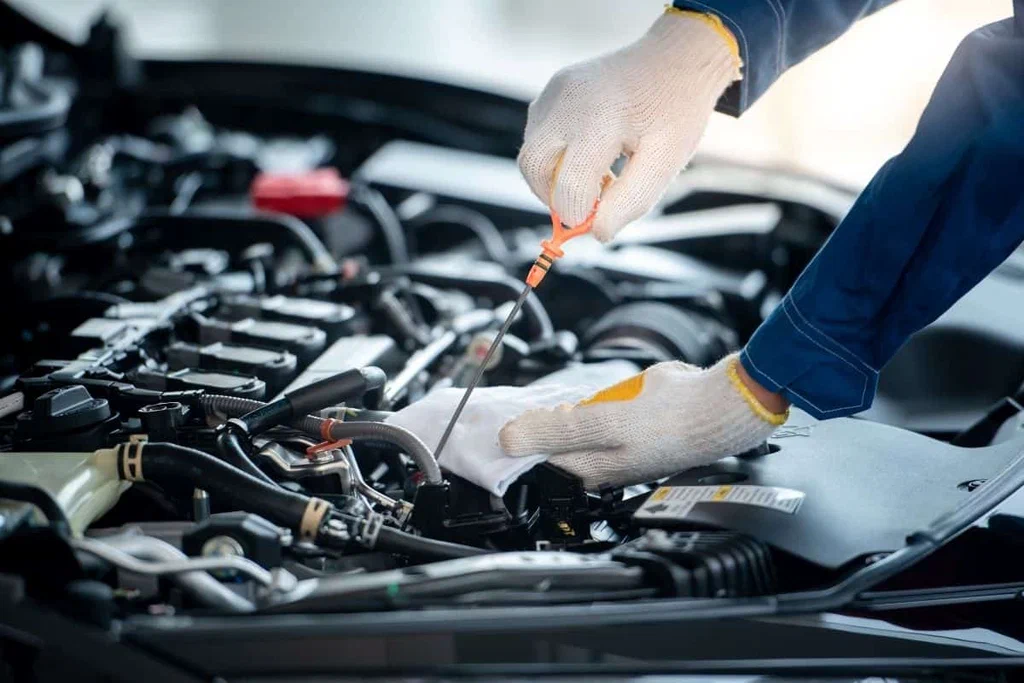
Check Engine Oil Regularly
Engine oil is the lifeline of your car. It lubricates engine parts, reduces friction, and prevents overheating. Low or dirty engine oil can cause serious engine damage.
You should check the engine oil level at least once a month and change it as per the manufacturer’s recommendation. If you notice dark or gritty oil, it’s time for an oil change even if the service interval isn’t complete.
Monitor Tyre Pressure and Tyre Condition
Proper tyre pressure ensures better mileage, smoother handling, and improved safety. Under-inflated tyres reduce fuel efficiency and wear out faster, while over-inflated tyres reduce grip.
Check tyre pressure every two weeks and before long drives. Also inspect tyres for uneven wear, cracks, or bulges. Don’t forget wheel alignment and balancing, as they help extend tyre life and improve driving comfort.
Inspect Brakes for Safety
Brakes are one of the most critical safety components of your car. Any unusual noise, vibration, or reduced braking performance should never be ignored.
Brake pads and discs wear out over time and need periodic inspection. Timely replacement of brake components ensures shorter stopping distances and prevents damage to other brake parts.
Keep an Eye on Battery Health
A weak battery can leave you stranded without warning. Car batteries usually last 3–5 years, depending on usage and weather conditions.
Check battery terminals for corrosion and ensure connections are tight. If you notice slow engine cranking, dim headlights, or electrical issues, get the battery tested immediately.
Maintain Proper Coolant Levels
The coolant system prevents your engine from overheating. Low coolant levels can cause engine temperature to rise dangerously, leading to severe damage.
Check the coolant reservoir regularly and top it up if required. Always use the recommended coolant type and never open the radiator cap when the engine is hot.
Replace Air Filters on Time
Air filters prevent dust and debris from entering the engine. A clogged air filter reduces engine efficiency and fuel economy.
Replacing the air filter at recommended intervals improves engine performance and ensures smoother acceleration. Cabin air filters should also be replaced to maintain clean air inside the car.
Pay Attention to Warning Lights
Modern cars come with dashboard warning lights that alert you to potential issues. Ignoring these lights can turn small problems into major repairs.
If a warning light stays on, consult the owner’s manual and get the car checked by a professional as soon as possible.
Maintain Proper Fluid Levels
Apart from engine oil and coolant, your car relies on several other fluids such as brake fluid, transmission fluid, power steering fluid, and windshield washer fluid.
Low or contaminated fluids can affect vehicle performance and safety. Regular inspection and timely replacement of fluids help keep the car running smoothly.
Keep the Car Clean Inside and Out
Regular washing protects the paint from dirt, pollutants, and rust. Waxing adds an extra protective layer and keeps the car looking new.
Interior cleaning helps maintain hygiene and prevents wear on seats, dashboard, and controls. A clean car also helps identify leaks or damage early.
Follow the Service Schedule
Every car manufacturer provides a recommended service schedule. Following this schedule ensures that all components are inspected, serviced, or replaced at the right time.
Regular servicing also helps maintain warranty coverage and resale value of the car.
Final Thoughts
Car maintenance doesn’t require expert knowledge—just consistency and attention. Simple habits like checking fluids, maintaining tyre pressure, and responding to warning signs can make a huge difference in how your car performs over time.
By following these essential car maintenance tips, you can enjoy a safer, smoother, and more cost-effective driving experience while extending the lifespan of your vehicle.
Helpful Links
https://www.autocarindia.com
https://www.team-bhp.com
https://www.cardekho.com
